Skip to content
FYTA Magazine

FYTA Magazine

Connect with plants

Primary Menu
  • Smart Gardening
  • Disease Library
  • Tutorials
  • Lifestyle
  • Tutorials
  • FYTA Guide
  • Shop
  • English
  • Deutsch
  • Home
  • Website
  • FYTA Guide
  • FYTA Mini & FYTA Sphere: What this dream team can do and how to use them together
  • FYTA Guide

FYTA Mini & FYTA Sphere: What this dream team can do and how to use them together

FYTA FYTA 2. December 2025
Artikel Headerbilder

Whether you care for a single houseplant or you are building a small urban jungle, the new FYTA sensors help you understand your plants better. The FYTA Mini is especially beginner friendly because it measures all essential data in the root zone. And if you also want to monitor light and the surrounding climate, the FYTA Sphere is the ideal companion.

1. The FYTA Mini – the entry level tool for soil measurements

The FYTA Mini focuses entirely on the root zone, exactly where plants react most sensitively to mistakes. Most plant problems do not originate in the leaves but in the hidden layers below the surface: incorrect moisture, compacted substrate, waterlogging or nutrient deficiencies. The Mini makes these invisible factors measurable and therefore manageable, even for beginners.

1.1 Moisture in the substrate

Water is by far the most common issue in plant care:
too much → root rot
too little → growth stops

The Mini measures moisture directly in the active root zone, so you always know:

When your plant actually needs water
No watering schedules, no guessing. The app tells you exactly when it is time to water.

Whether you are overwatering
If moisture stays too high for too long, the Mini warns you early, before root damage occurs.

How fast your substrate dries
Every soil mix behaves differently. The Mini shows drying cycles so you can learn the correct rhythm.

This objective measurement replaces vague rules of thumb and guesswork. It is especially helpful for beginners with limited experience because they immediately see how their plant is truly doing.

1.2 Electrical Conductivity (EC) – nutrient levels in the substrate

Incorrect fertilizing can have serious consequences:
too little → pale leaves, weak growth
too much → root damage from salt stress

The Mini measures electrical conductivity (EC) in the substrate and gives clear insights:

When it is time to fertilize
The app alerts you when nutrient levels drop and the plant needs more.

Whether you have overfertilized
You are notified when repotting or flushing the substrate is helpful to remove salt buildup.

Which growth phase your plant is in
Depending on the phase, the plant needs more or fewer nutrients.

The Mini acts like a “nutrient navigator”: it prevents overfertilization and deficiencies without requiring botanical knowledge.

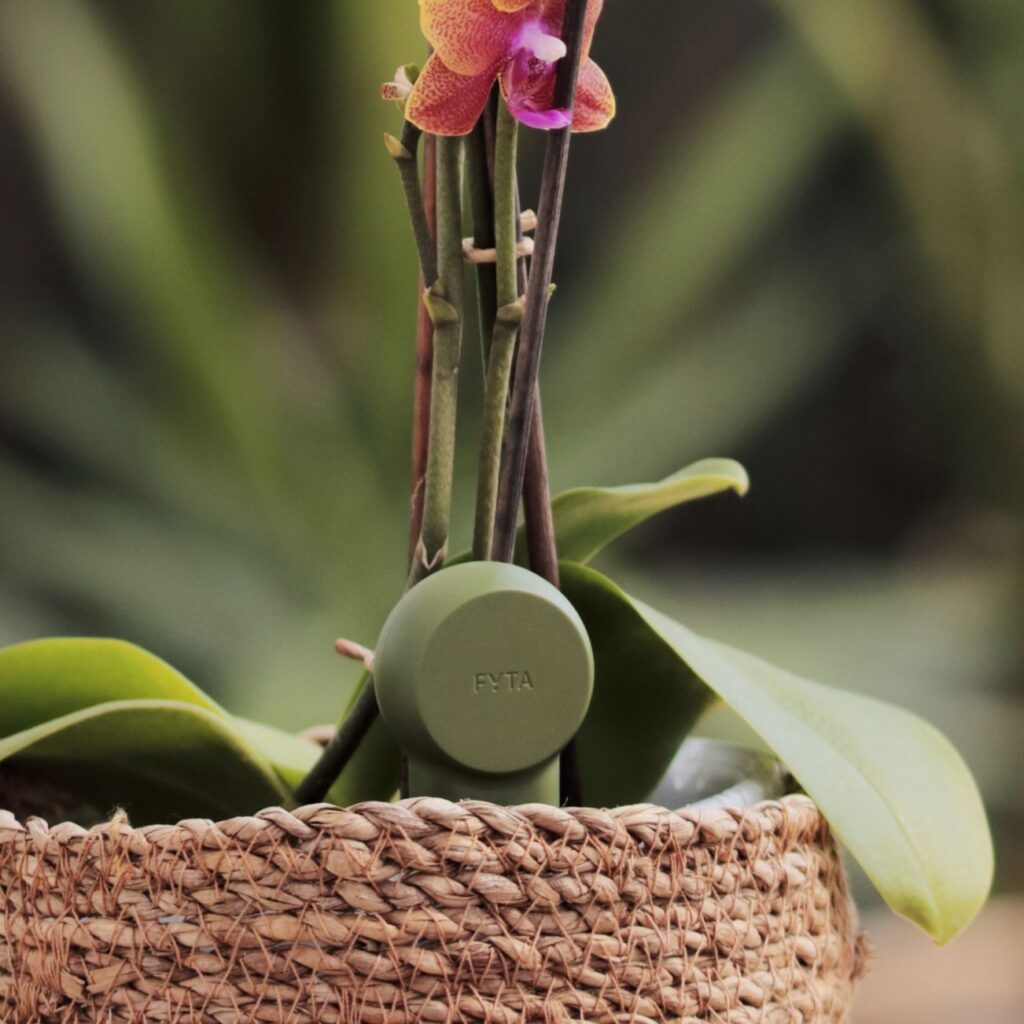
mini-beam-balkony
mini-beam-orchidee-square

2. The FYTA Sphere – reliable monitoring of light and climate

While the Mini tracks what happens in the soil, the Sphere measures everything above ground.

2.1 Light

Light is a plant’s most important energy source, yet it is the most common care mistake: many houseplants simply do not get enough of it. Without sufficient light, a plant cannot produce sugars, grows weaker, forms long and thin stems and becomes more susceptible to disease. At the same time, too much direct light can burn sensitive species.

The Sphere measures light at the level of the upper leaves, without shading from the pot or canopy.

These values help you understand how well your plant is actually supplied:

Light intensity (PPFD)
Indicates how many photosynthetically active photons reach the leaf surface.
Low values → too little energy
High values → fast photosynthesis but risk of sunburn in sensitive species

Daily Light Integral (DLI)
Measures how much total light the plant receives per day. A plant might get bright morning light but still too little overall if the day is short or cloudy. DLI reveals whether the daily light dose is sufficient.

Why the Sphere measures from above
Measurements inside the substrate can be shaded and require calibration (as in the FYTA Beam). Higher up, the Sphere measures the actual usable light your plant receives – accurate and reliable.

Combining Mini (root zone) and Sphere (light climate) gives you a complete picture of whether your plant is well supplied or if the location is limiting its growth.

2.2 Temperature

The temperature in a plant’s environment determines how actively it can grow and how fast it uses water. Every species has its own comfort range, but some general rules apply:

Too cold → growth stops
When temperatures drop, metabolic processes slow down. The plant stops building new cells and water uptake decreases.

Too warm → stress and faster water loss
High temperatures accelerate evaporation and put the plant under stress. It loses more water through the leaves, which often causes wilting even if the roots are moist.

Temperature swings → stress reactions
Strong day night fluctuations can cause leaf loss, stunted growth or brown edges.

With the Sphere, you see whether your location actually matches your plant’s needs.

2.3 Humidity

Humidity plays a crucial role in a plant’s water balance. It influences how quickly leaves lose moisture and how healthy the leaf tissue remains. Proper humidity creates resilient plants, while too much or too little can cause problems:

Evaporation rate
In dry air, water evaporates quickly from the leaves. The plant must compensate more, dries out faster and often responds with brown tips or curled leaves.

Leaf health
Low humidity weakens the cellular structure of leaves. Too much humidity can encourage fungal issues and leaf spots.

Pest susceptibility
Many pests take advantage of unsuitable humidity levels – spider mites in dry air, mealybugs in high humidity. A stable climate reduces the risk noticeably.

The Sphere measures humidity at real leaf height, where it actually matters – not directly above the substrate, where readings are distorted by watering.

Why the Sphere sits higher

Because:

• light levels are measured more accurately at leaf height
• humidity near the soil surface fluctuates strongly
• ambient temperature is more representative above the pot

Positioning:
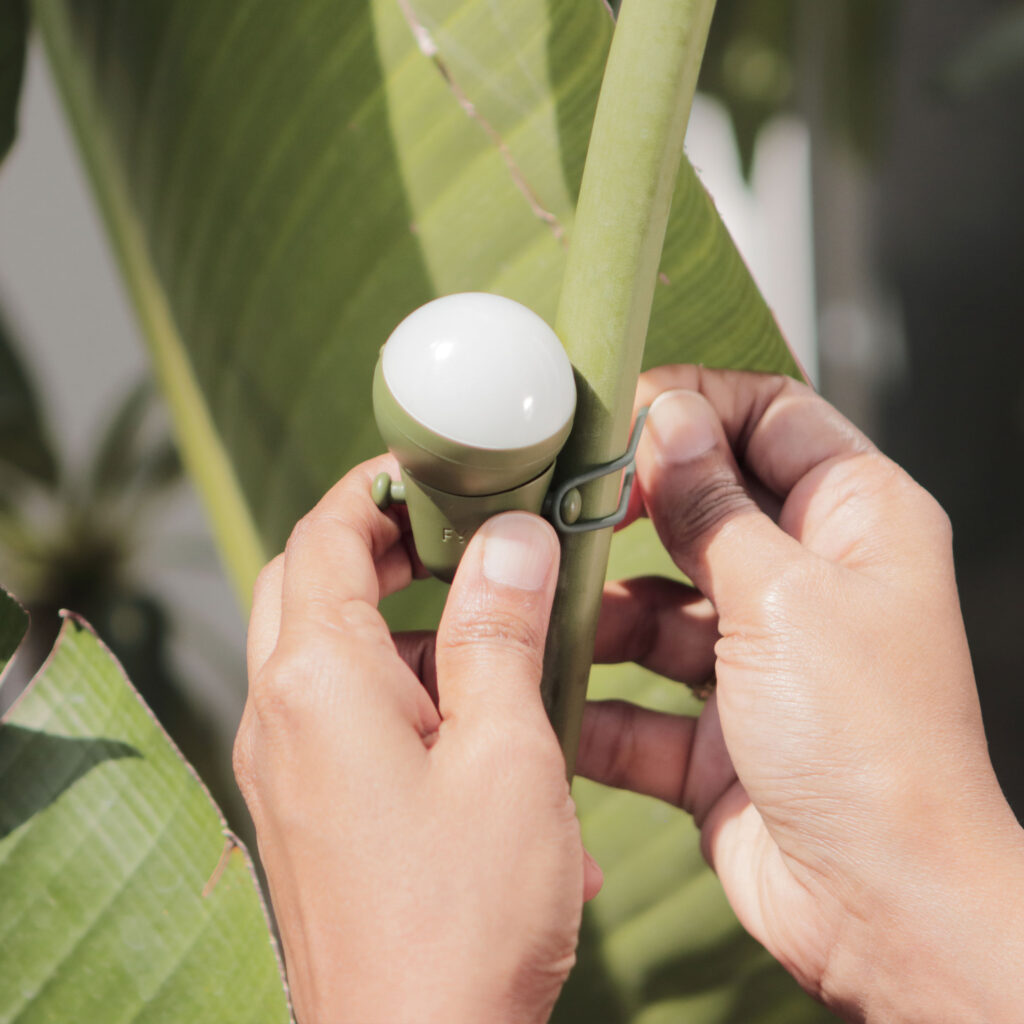
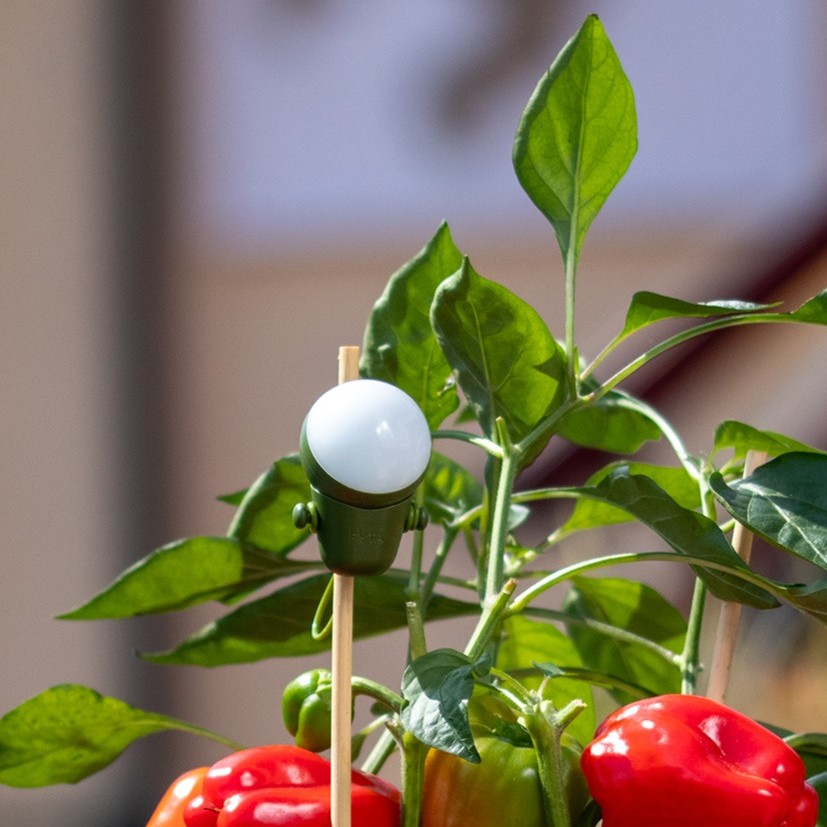
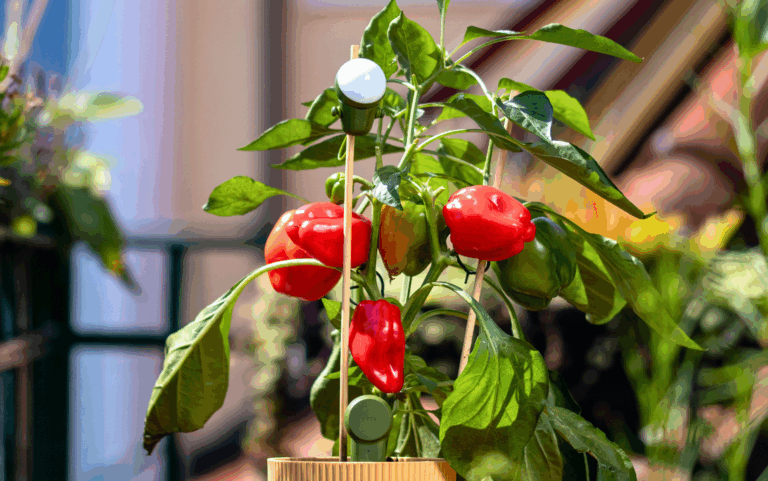
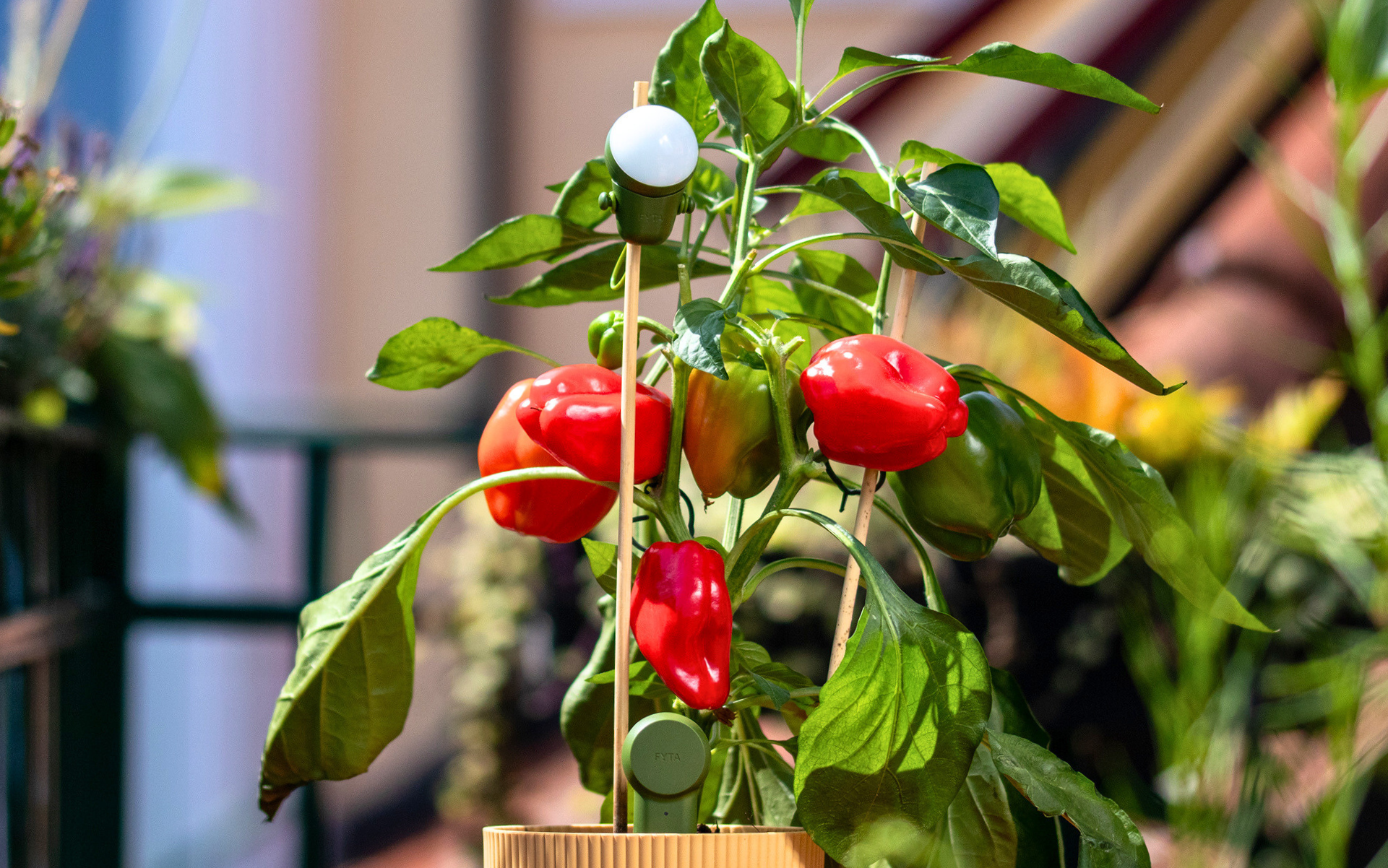
On the stem, on a stake, on a wall or shelf – always roughly at the height of the upper foliage.

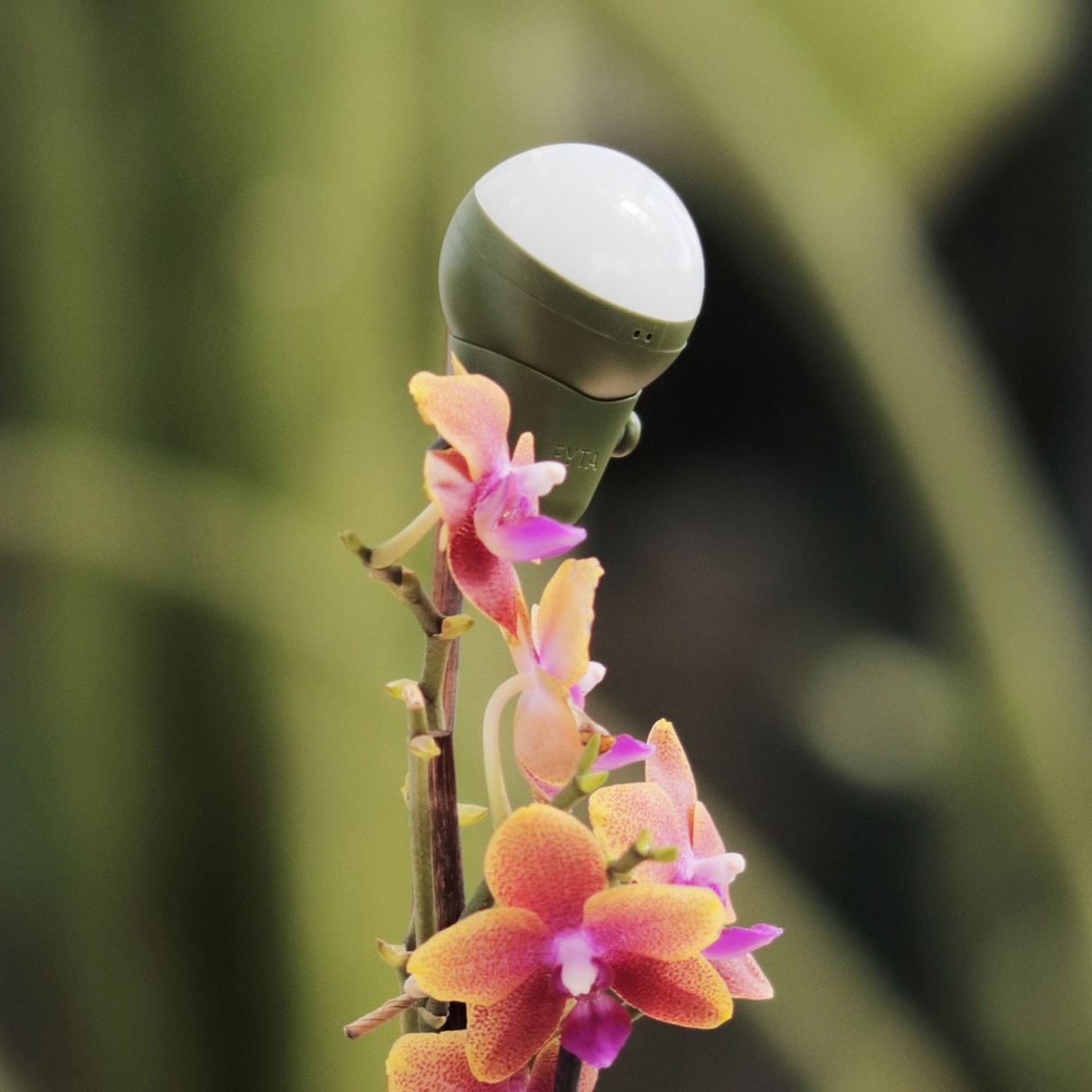
mini-beam-orchidee-square(1)
Sphere Close Up
mini-sphere-pepper

3. Mini + Sphere – the ideal combination

Many plant issues originate not only in the soil but also in the environment: too little light, low humidity or high temperatures. The FYTA Mini measures everything happening at the roots, and the Sphere adds everything happening above them. Only together do you get a complete picture of plant health.

3.1 Example setups

To make it easier to get started, here are three typical scenarios – from a simple single plant setup to a small indoor oasis.

Thumpnails(1)

A) Single Plant + Mini

The FYTA Mini is often completely sufficient for a single potted plant.
Why? Because the most common beginner mistakes – overwatering, underwatering and incorrect fertilizing – originate exclusively in the soil.

Ideal if you:

• want to understand one plant better
• primarily want to avoid watering and fertilizing mistakes
• already own a thermometer or hygrometer
• prefer the simplest possible setup

Many users start with a Mini and pick up a Sphere later on, for example when light conditions become more challenging in winter.

2

B) Plant Group: Minis + One Sphere

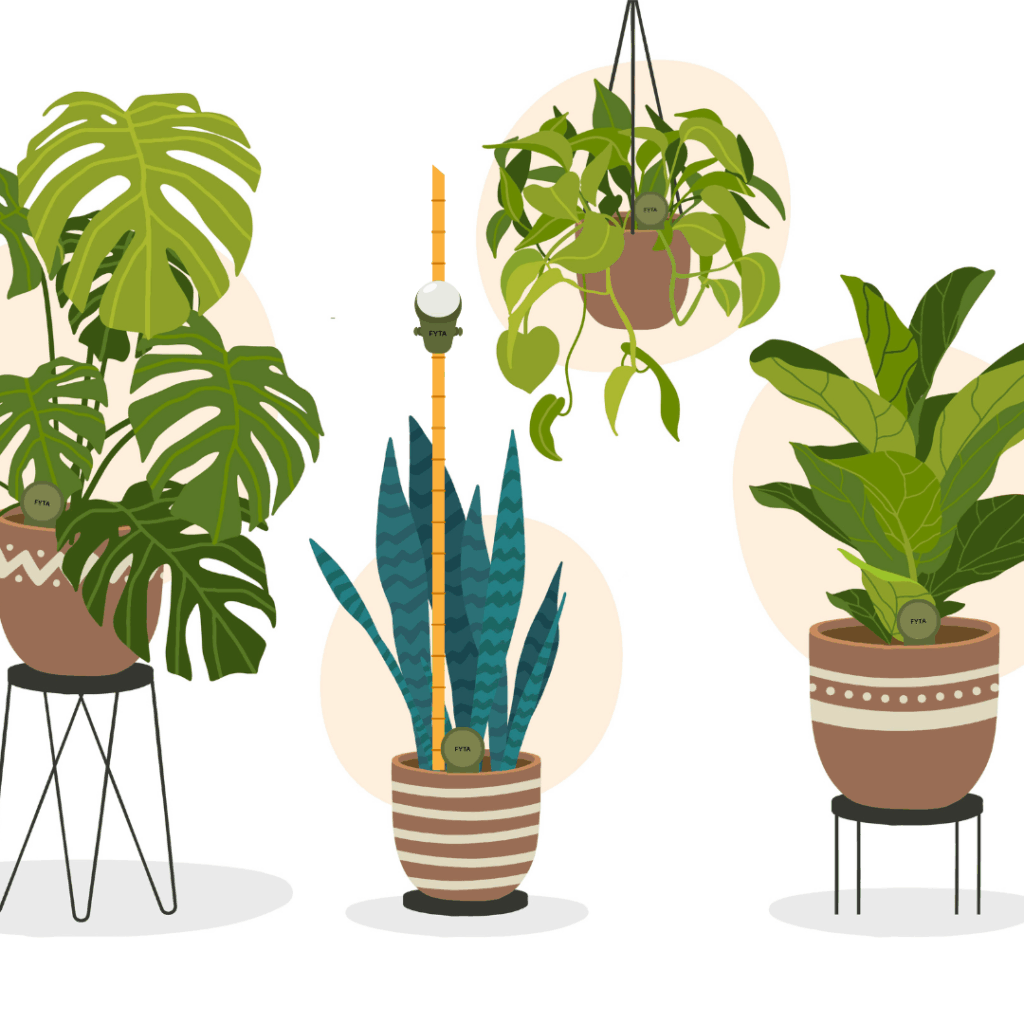
A typical scenario: a windowsill, shelf or sideboard with 3–8 plants.

This is where the combination truly shines.
Each plant has different needs, so every pot gets its own Mini. One Sphere handles the shared climate – saving you from using several individual climate sensors.

The advantages:

• Each plant receives individual moisture and nutrient data (FYTA Mini)
• Light, temperature and humidity are measured collectively for the whole group at leaf height (FYTA Sphere)
• Fewer devices while still having complete information = more cost efficient
• Ideal for urban jungle beginners or small collections

The result is a clear and efficient system. You see at a glance which plant needs water, whether the light is sufficient or whether humidity is suboptimal.

3

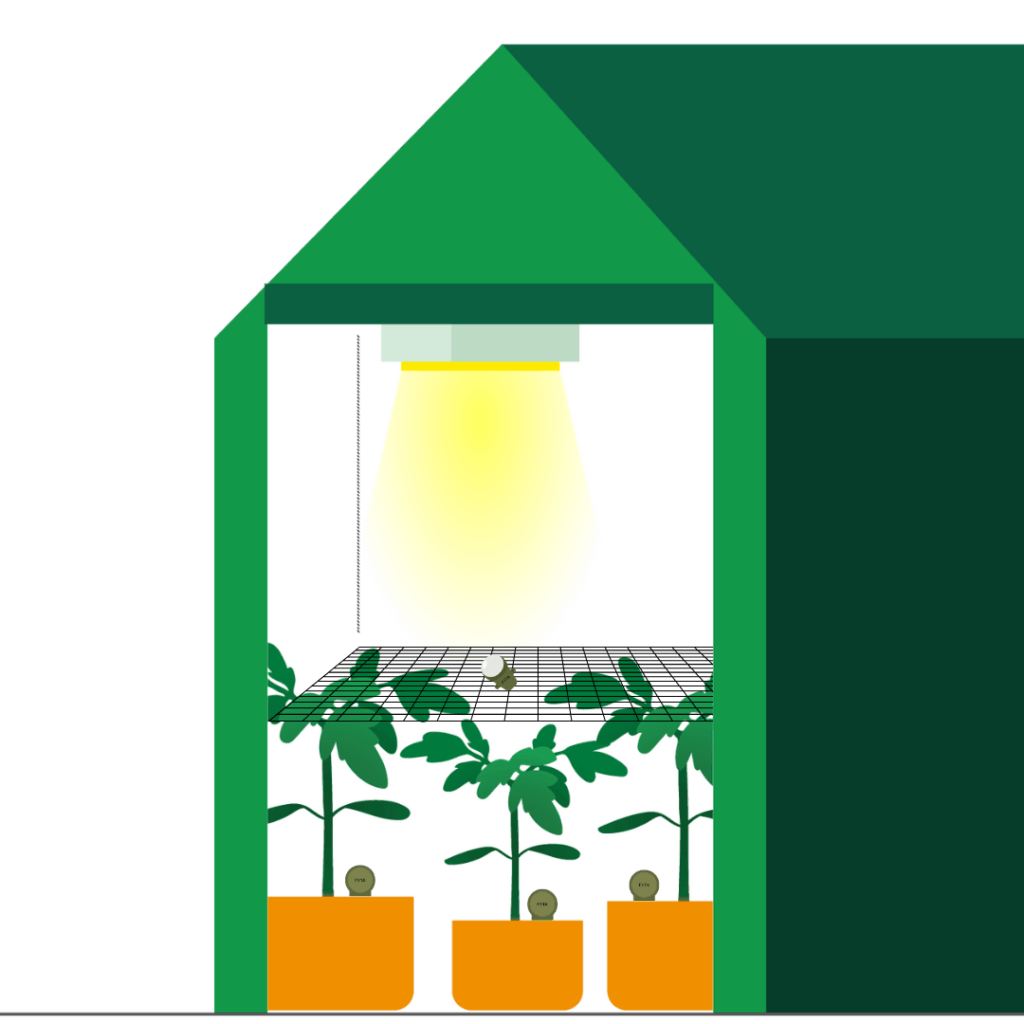
C) Three Sensor Setup + FYTA Sphere in a Grow Box

For anyone growing three plants in an enclosed grow tent and needing a stable microclimate.

In a tent, light, temperature and humidity depend heavily on lighting settings, airflow and how dense the canopy becomes. This is exactly where the Sphere excels – it measures light and climate where the plants actually experience it: at the height of the upper leaves.

How the setup works:

• One Sphere at canopy height to precisely monitor light intensity (PPFD), daily light dose (DLI), humidity, temperature and VPD
• Three Minis – one per pot – so each plant receives its own moisture and nutrient data

With this setup, you immediately see:

• whether your lighting is adjusted optimally
• whether individual pots dry out faster or hold water
• whether the tent climate remains stable (critical for healthy growth)
• how temperature and humidity change while the lights are running

This combination gives you a complete monitoring system for a controlled grow tent – clear, precise and perfectly coordinated.

Conclusion: Which setup is right for you?

  • Mini only
    → ideal if you want to avoid watering and fertilizing mistakes

  • Sphere only
    → useful if you want to measure light and climate and have other ways to track soil data

  • Mini + Sphere
    → the most complete picture, perfect for plant collections and for anyone who wants a holistic understanding of their plants

    No matter which setup you choose, the new FYTA sensors reliably help you care for your plants more successfully.

I want a Beam!

About the Author

FYTA

FYTA

Author

View All Posts

Post navigation

Previous: Plant Etiolation: Why Your Houseplants Grow Long and Leggy – and How to Fix It

Nicht verpassen

Artikel Headerbilder
  • FYTA Guide

FYTA Mini & FYTA Sphere: What this dream team can do and how to use them together

FYTA FYTA 2. December 2025
Cannabis Artikel Headerbilder
  • Smart Gärtnern

Plant Etiolation: Why Your Houseplants Grow Long and Leggy – and How to Fix It

FYTA FYTA 28. October 2025
Thick,Aerial,Roots,Of,Monstera,Deliciosa,Houseplant,Attached,To,Climbing
  • Smart Gärtnern

Cut Off Aerial Roots? Please Don’t.

FYTA FYTA 26. June 2025
Brown,Disease,On,Calathea,Leaves.
  • Smart Gärtnern

Why Your Calathea Doesn’t Look Like It Does in the Garden Centre – and That’s Okay

FYTA FYTA 25. June 2025
Copyright © All rights reserved. | MoreNews by AF themes.