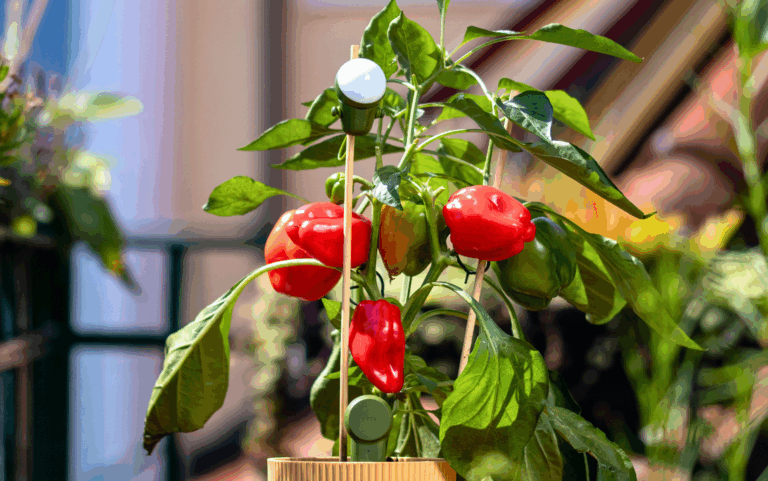
Just like all living organisms, cannabis plants require essential nutrients to flourish. These vital elements are primarily absorbed through the root system from the surrounding soil solution. When cultivating cannabis, it’s crucial to provide the optimal amount of nutrients through fertilization. Growers can choose between two main types of fertilizers: mineral and organic. The distinction lies in their production methods and how they interact with the plant’s environment before being assimilated into the cannabis plant’s metabolic processes.
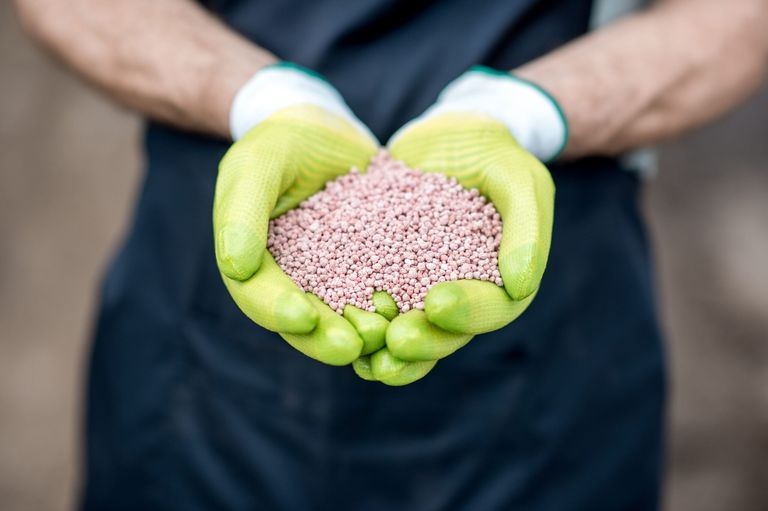
Mineral Fertilizers: Precision and Rapid Nutrient Availability
Mineral fertilizers are derived from mineral sources, though this doesn’t necessarily mean they come exclusively from mined materials. One of the most famous methods of producing fertilizers was developed by the German chemist Fritz Haber, earning him the Nobel Prize in 1918. Haber tackled a critical issue: the insufficient availability of nutrients to support increasing crop production for a growing population.
The Haber-Bosch Process: Revolutionizing Agriculture
The Haber-Bosch process, as it’s now known, transformed fertilizer production. This method combines nitrogen (N₂) from the air with hydrogen (H₂) to create ammonia (NH₃). While highly energy-intensive, this process significantly boosted agricultural productivity, including cannabis cultivation.
For cannabis growers, mineral fertilizers offer precise control over nutrient ratios, allowing for tailored feeding programs throughout the plant’s life cycle. These fertilizers are readily available to plants, promoting rapid growth and potentially higher yields. However, improper application can lead to nutrient burn, soil imbalances, and environmental pollution due to runoff.
Organic Fertilizers: Sustainable and Soil-Enhancing
Organic fertilizers consist of natural materials derived from plant or animal sources that enhance both cannabis nutrition and soil health. Common organic fertilizers include:
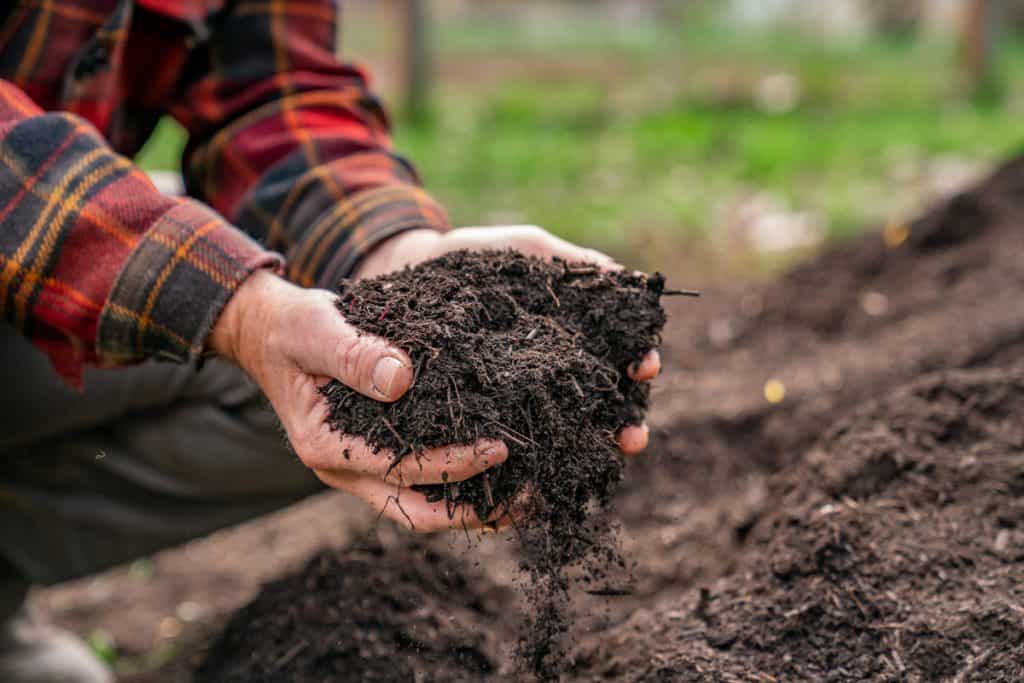
Compost: Provides a diverse range of nutrients while improving soil structure and water retention.
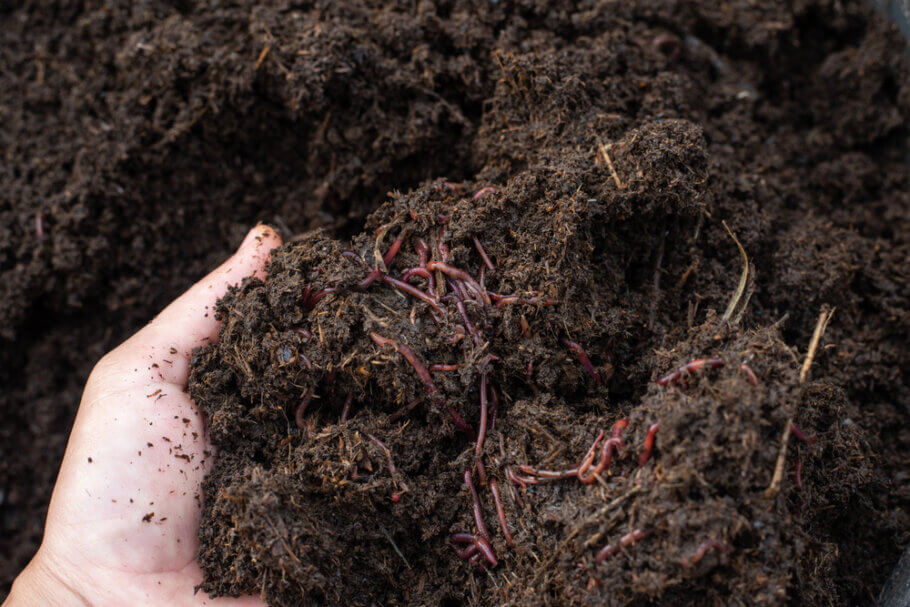
Worm castings: Rich in beneficial microorganisms that enhance nutrient uptake and boost plant resistance to pests and diseases.
Bone meal: A great source of phosphorus, essential for root development and flower formation.
Fermented plant extracts: Improve microbial activity and promote plant vigor.
Fish emulsion and bat guano: Supply additional macronutrients for sustained plant growth.
Organic fertilizers release nutrients gradually, promoting sustainable growth while improving soil biodiversity over time. This slow-release mechanism reduces the risk of nutrient burn, a common issue with mineral fertilizers. Additionally, the steady nutrient availability aligns well with the natural growth cycle of cannabis plants, leading to healthier and more resilient crops.
Organic vs. Mineral: Which Fertilizer is Best for Cannabis?
When choosing between organic and mineral fertilizers, each has its own advantages and drawbacks, particularly concerning environmental impact and ease of use.
Environmental Considerations
Sustainable agricultural practices play a crucial role in preserving natural resources and maintaining soil health. The long-term impact of fertilization methods is an important factor for growers to consider. Mineral fertilizers, while effective, come with certain challenges:
Overuse: Excessive application can lead to nutrient runoff, affecting surrounding ecosystems.
Soil degradation: Synthetic fertilizers primarily feed plants but do little to support soil structure and beneficial microbial life.
Water pollution: Runoff from fertilizers can accumulate in water bodies, contributing to imbalances in aquatic environments.
Organic fertilizers, on the other hand, offer several benefits:
Gradual nutrient release, reducing the risk of over-fertilization.
Improved soil health, enhancing water retention and microbial activity.
Lower environmental impact, as they support a balanced and regenerative growing system.
For cannabis cultivation, both organic and mineral fertilizers can be tailored to different growth stages. However, organic fertilizers are often more beginner-friendly, as they naturally support soil health and provide nutrients in a way that reduces the risk of misapplication.
The Role of Living Soils in Cannabis Cultivation
A noteworthy development in cannabis horticulture is the use of living soils. These are soil mixtures enriched with diverse microorganisms, offering a sustainable and user-friendly approach to cultivation. Living soils align well with organic growing practices and have been found to improve terpene production, enhancing the flavor and aroma of cannabis.
Conclusion: The Case for Organic Cultivation
For growers seeking to cultivate high-quality cannabis, an organic approach offers distinct advantages. Natural cultivation methods can enhance terpene profiles and flavor complexity, as plants develop stronger biological interactions within a nutrient-rich environment.
Additionally, organic fertilizers support long-term soil vitality by fostering microbial diversity and improving overall soil structure. As consumer awareness grows, sustainably cultivated products are gaining increasing recognition, making organic growing a valuable option for cultivators.
By prioritizing organic practices, growers can support both plant health and environmental balance while positioning themselves for long-term success in an evolving industry.





 Lotte
Lotte